

Have you ever wondered if the perfume in the bottle changes scent time? Perhaps you've noticed that a fragrance you loved when you first bought it smells slightly different after a few months. This phenomenon can be attributed to various factors, including the composition of the fragrance, storage conditions, and the passage of time. In this article, we'll delve into the world of perfumery and explore what happens to perfume in the bottle and why.
Understanding Perfume Composition
Perfumes are complex mixtures of oils, aroma compounds, and solvents. They are typically composed of top, middle, and base notes, which unfold time as the fragrance is applied. Top notes provide the initial impression, often featuring citrus, mint, or green notes. Middle notes, also known as the heart of the fragrance, emerge after 30 minutes to an hour and can include florals, fruits, or spices. Base notes, the longest-lasting, appear after several hours and often consist of rich, woody, or musky scents.
Factors Affecting Perfume Stability
Several factors can influence the stability and longevity of perfume in the bottle. Temperature, light exposure, and oxygen levels can all impact the fragrance's composition. For instance, high temperatures can cause the oils to degrade or oxidize, to a change in scent. Similarly, exposure to direct sunlight or UV light can alter the fragrance's color and aroma. Oxygen levels can also affect the perfume, as excessive exposure can cause the fragrance to become oxidized or stale.
Product Spotlight: Shaghaf Man by Asdaaf
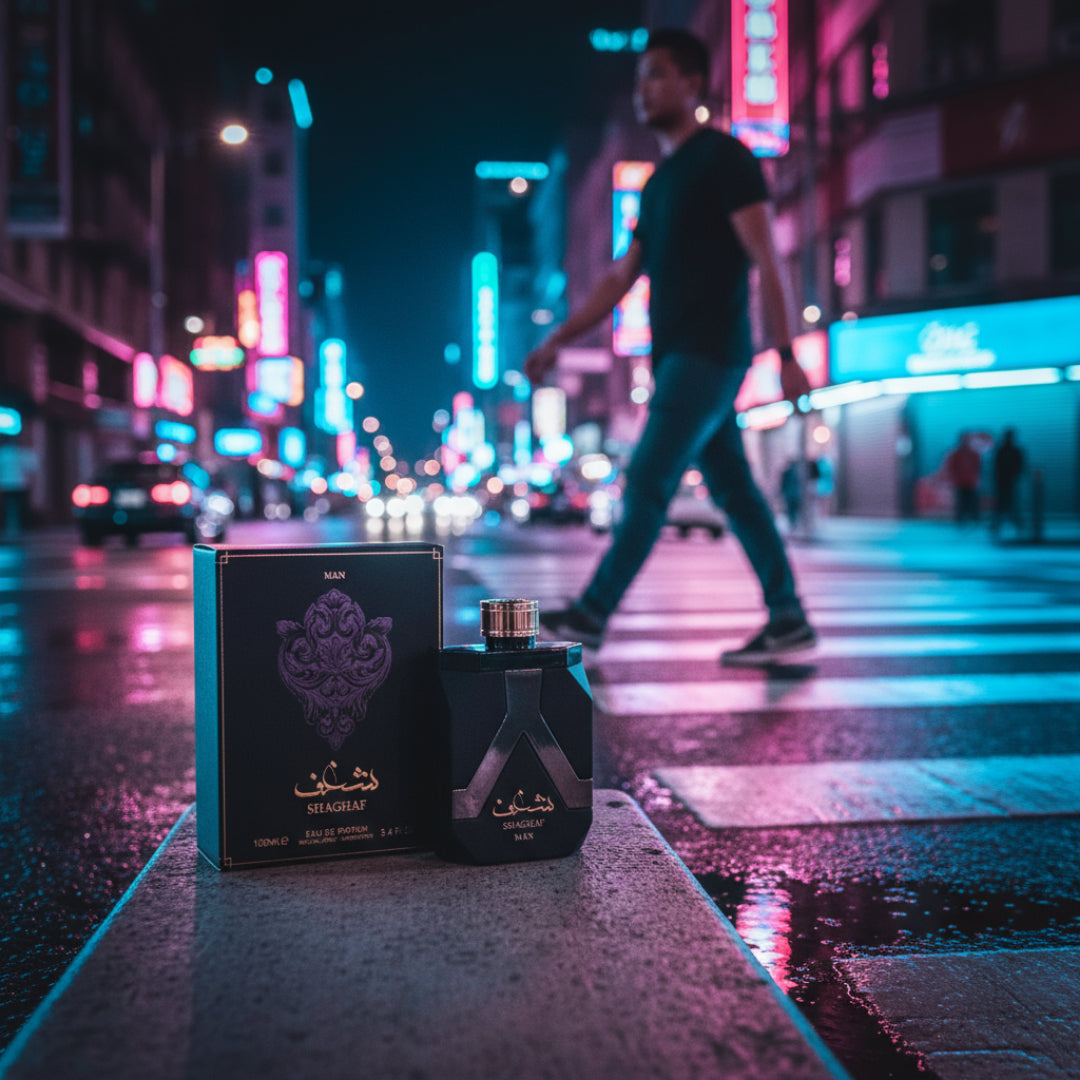
Let's take a look at Shaghaf Man by Asdaaf, a 100ml EDP for men. This fragrance features top notes of lemon, lavender, Chinese orange, tagetes, sage, and cardamom. As it dries down, the scent evolves into a woody-amber accord, perfect for evening occasions. With a longevity of around 6-8 hours and moderate projection, Shaghaf Man is suitable for formal events or romantic evenings. In hot and humid climates like Malaysia, this fragrance can be a great choice for making a.
Perfume Degradation Time
Perfumes can degrade time due to various chemical reactions. One common reaction is oxidation, which occurs when the oils react with oxygen in the air. This can result in a change in scent, often becoming less vibrant or more woody. Another reaction is hydrolysis, where the fragrance molecules break down in the presence of water or moisture. This can lead to a softer or less intense fragrance. While perfume degradation is inevitable, proper storage and handling can slow down the process.
Product Showcase: Afaq Gold by Lattafa
Afaq Gold by Lattafa is a unisex EDP that boasts a complex blend of notes. Although the exact composition is not disclosed, this fragrance is known for its rich, oriental character. With a longevity of around 8-10 hours and strong projection, Afaq Gold is perfect for special occasions or formal events. Its warm, spicy, and ambery notes make it an excellent choice for cooler climates or winter seasons.
Exploring Afeef by Lattafa
Afeef by Lattafa is a unisex EDP that features a refreshing blend of citrus, fresh notes, soft florals, amber, musk, and vanilla. This fragrance is ideal for everyday wear, with a light, airy texture and moderate longevity of around 4-6 hours. Its subtle projection makes it suitable for office or casual settings. Afeef is a great choice for warmer climates like Malaysia, as its citrus and floral notes provide a cooling and uplifting effect.
In conclusion, perfume in the bottle can change scent time due to various factors, including composition, storage conditions, and the passage of time. Understanding these factors and taking proper care of your fragrances can help preserve their aroma and longevity. By exploring different perfumes, such as Shaghaf Man, Afaq Gold, and Afeef, you can discover new scents that suit your preferences and occasions. Whether you're looking for a bold evening fragrance or a subtle everyday scent, there's a perfume out there waiting to be uncovered.

0 Comments
No comments yet. Be the first to share your thoughts!